



Dicas para evitar incidentes e desperdícios de material em uma strechadeira
Saiba mais sobre a strechadeira MRSUL
Data: 15/Setembro/2025
Tempo de leitura: 3 min
Explore o artigo:
Desperdício de material e incidentes são dois problemas que podem afetar negativamente a produtividade de uma strechadeira. No entanto, existem algumas dicas interessantes que podem evitar esses problemas durante a operação do equipamento.
O que é uma strechadeira?
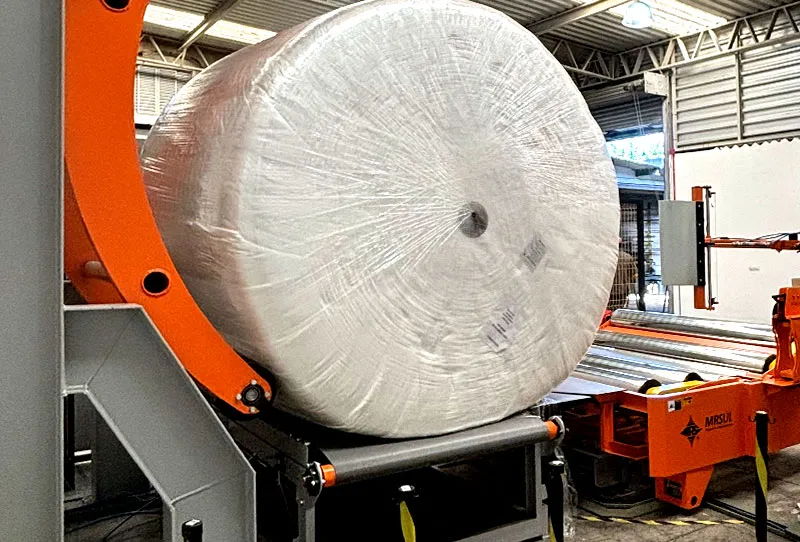
A strechadeira é uma máquina destinada à aplicação do filme stretch nos processos de embalagens, visando facilitar a logística e a proteção de mercadorias durante o manuseio e transporte. O mercado oferece diversos modelos de strechadeiras, desde aquelas com funcionamento manual às automáticas.
A strechadeira manual consiste na aplicação do filme stretch de forma mais lenta, onde a aplicação deve ser realizada manualmente. O problema desse modelo é que, além de gerar desperdícios de filmes, o processo de envolvimento é moroso, o que contribui para a diminuição da competitividade da empresa.
Além disso, o risco ergonômico e de acidentes dos colaboradores envolvidos é maior, já que eles terão que ficar em postura desagradável e ficarem suscetíveis ao carregamento de peso. Já as strechadeiras semiautomáticas e automáticas visam facilitar o processo de aplicação do filme, evitando desperdício e acidentes, com maior rapidez. Entretanto, mesmo sendo uma máquina de alta eficiência, a strechadeira, seja automática ou semiautomática, requer alguns cuidados especiais para que não ocorram acidentes ou desperdício de material.
Portanto, acompanhe o próximo tópico onde traremos algumas dicas para evitar esse tipo de problema durante o uso da strechadeira.
Como evitar incidentes e desperdício durante o uso da strechadeira?
Assim como toda máquina industrial, a strechadeira deve ser desenvolvida conforme as normas regulatórias, especialmente a NR-12.
Logo, é muito importante adquirir equipamentos cujos fabricantes garantem essa conformidade. Um exemplo são as nossas soluções MRSUL, fabricadas de acordo com todas as normas exigidas.
No caso da strechadeira, é fundamental realizar algumas ações que garantam o uso seguro do equipamento a fim de evitar acidentes, como:
● Ao adquirir o equipamento, verificar a conformidade com as normas regulamentadoras;
● Realizar manutenção periódica para evitar falhas que possam comprometer a segurança dos colaboradores;
● Treinar os operadores responsáveis pela strechadeira para que utilizem a máquina de maneira correta;
Em relação ao treinamento, é fundamental que os colaboradores sejam orientados quanto ao uso adequado da strechadeira para evitar acidentes no ambiente de trabalho.
Evitando desperdício de materiais com a strechadeira
Mesmo com uso da strechadeira, é fundamental estabelecer alguns parâmetros para evitar desperdício de filme. Esses parâmetros também devem estar presentes no treinamento dos operadores responsáveis, já que estão vinculados às práticas de uso.
● Número de voltas:
O número de voltas equivale ao número de rotação do filme em volta do volume. Para qualquer modelo de strechadeira automática ou semiautomática, é fundamental que a primeira camada de filme seja aplicada na base, que pode demandar um número de voltas maior.
Ao longo do volume, o número de voltas pode ser menor. Logo, é interessante padronizar esse número para garantir o uso adequado do filme.
● Sobreposição:
Durante o envolvimento completo, é preciso que o filme seja rotacionado e também haja um movimento de subida de descida para cobrir toda a área da carga.
Esse processo é definido pela largura da camada de filme sobreposta à camada de filme aplicada anteriormente. Vale lembrar que cargas mais frágeis, é recomendado, pelo menos, 50% de sobreposição para manter a carga mais estável.
● Pré-estiramento:
O pré-estiramento do filme stretch aumenta a rigidez do filme e garante seu menor consumo.
Assim, durante a aplicação, ele deve ser definido como processo de estirar o filme ainda no cabeçote da strechadeira, mantendo uma diferença entre a velocidade e os rolos, antes mesmo de ser aplicado à carga.
● Tensionamento:
Esse processo aumenta a compactação da carga, mantendo o filme pressionado para garantir maior estabilidade do volume. O tensionamento é gerado a partir da frenagem de saída do filme do cabeçote e o aumento da velocidade da strechadeira.
Quando o tensionamento atinge altos níveis, podem ocorrer danos às embalagens e produtos e até mesmo rompimento do filme, ocasionando desperdício de material. Todos esses parâmetros devem passar por vistorias regulares para garantir não só a segurança no uso da strechadeira, como também para evitar desperdícios de materiais, mantendo a operação com maior eficiência.
Adquira strechadeira de alta performance com a MRSUL.
Ao buscar soluções de strechadeira para sua linha de produção, escolha os equipamentos da MRSUL.
Com mais de 30 anos de experiência no mercado, a MRSUL trabalha com uma linha completa de soluções para movimentação de carga.