

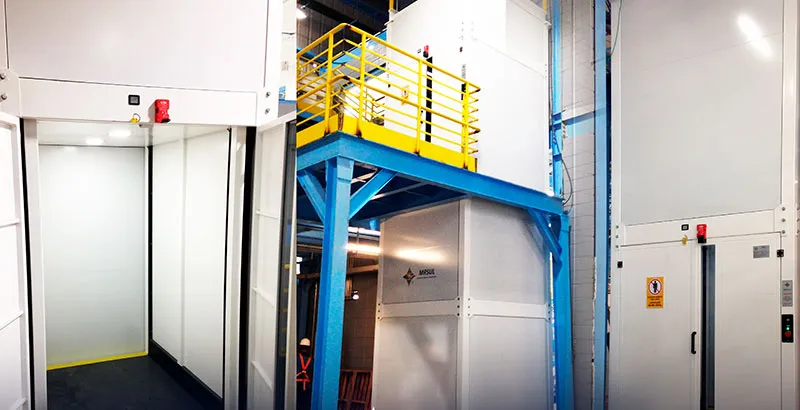
Como o elevador industrial ajuda na segurança e saúde no trabalho?
Saiba mais sobre a importância do elevador de carga na saúde do trabalho
Data: 15/Setembro/2025
Tempo de leitura: 3 min
Explore o artigo:
Como o elevador industrial ajuda na segurança e saúde no trabalho?
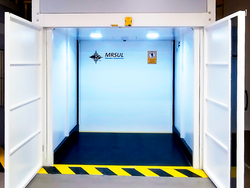
Muito mais do que um facilitador no transporte de cargas, o elevador industrial pode ser considerado um item de segurança para qualquer tipo de operação. Atualmente é um equipamento praticamente indispensável em qualquer operação, garantindo inúmeras vantagens, incluindo a preservação da segurança e da saúde laboral dos colaboradores.
Elevador industrial como aliado na prevenção de acidentes
Atualmente, o elevador industrial se tornou um equipamento que garante não só facilidades para o transporte de carga, mas também para evitar acidentes que podem acarretar perda de mercadorias ou prejuízos à saúde dos colaboradores.
O uso do elevador industrial contribuiu para a redução de acidentes que podem ocorrer durante o transporte de cargas entre um pavimento e outro, como também favoreceu a ergonomia do trabalho. Se antes o colaborador precisava de maior esforço físico para movimentar cargas, comprometendo sua postura, com o elevador industrial é possível transportar volumes de maneira rápida e segura. Infelizmente, todo ambiente industrial é passível de acidentes. Para tanto, manter regras de segurança e medidas de proteção são fundamentais para evitar esse tipo de problema.
A NR12 é uma normativa que regulamenta o uso de máquinas pesadas e equipamentos, principalmente em ambientes industriais. Seu objetivo é garantir a segurança e a integridade dos colaboradores durante suas atividades. No caso do elevador industrial, seu processo de fabricação deve ser compatível com a NR12 e demais normas regulatórias, garantindo a proteção de usuários durante o seu uso.
Entretanto, somente a implementação de um elevador industrial na operação não é suficiente para garantir a segurança e a saúde dos colaboradores. É preciso treinamento sobre o uso correto do equipamento e medidas para garantir o bom funcionamento do elevador durante sua utilização.
Cuidados na implementação e utilização do elevador industrial
Para manter a segurança de um elevador industrial, precisamos abordar três fatores que são de suma importância: o projeto, as regras de utilização e os processos de manutenção. Falaremos sobre cada um a seguir.
Projeto
O projeto de implementação de um elevador industrial precisa considerar as especificações da operação como:
● Localização.
● Tipo de carga a ser transportada.
● Número de pavimentos.
● Integração com outros tipos de equipamentos, dentre outros.
Essas especificações são importantes para definir a capacidade do elevador para atendimento às demandas da operação e também as alterações na estrutura física do ambiente de trabalho.
O ideal é que o projeto de implantação do elevador industrial seja elaborado junto a uma empresa especialista, onde técnicos qualificados irão auxiliar no levantamento das informações que serão decisivas para a escolha de um modelo de elevador que irá atender a operação com segurança e eficiência.
Regras de utilização
Já sabemos que a implementação de um elevador industrial garante mais segurança e auxilia na saúde laboral do colaborador, incluindo para o transporte de cargas com conteúdo nocivo à saúde. Entretanto, como qualquer outro equipamento, é preciso utilizá-lo com segurança. Não basta a implementação do elevador sem a determinação de regras para um uso seguro. Isso não só é importante para colaboradores mais antigos na operação como também para novos que estão integrando o quadro de funcionários.
Algumas regras simples que correspondem a boas práticas no uso do elevador industrial favorecem a segurança do ambiente e contribuem para a prevenção de acidentes.
● Respeitar a capacidade máxima de carga do elevador.
● Se o elevador é destinado somente ao transporte de cargas, não realizar a movimentação de pessoas.
● Verificar se o elevador está no andar antes de entrar ou colocar a carga a ser transportada;
● Verificar o nivelamento da cabine antes de entrar, sair ou inserir mercadorias;
● Respeitar o tempo de abertura e fechamento das portas;
Manutenção
A manutenção periódica é um fator de grande importância para manter e prolongar a vida útil do equipamento e a segurança de seu uso. O processo deve ser realizado por técnicos especialistas, provenientes da empresa responsável pela fabricação e instalação.
A periodicidade nos processos de manutenção garante a troca de possíveis peças com defeito que podem ocasionar a paralisação do elevador ou colocar em risco a segurança dos colaboradores. Vale lembrar que em relação aos custos, a manutenção preventiva pode ser mais barata do que uma manutenção corretiva. Além disso, a prevenção de acidentes é um fator importante, não só para preservar a integridade dos colaboradores como evitar paralisação operacional. Como vimos, o elevador industrial é um grande facilitador na operação, garantindo aumento da produtividade, otimização dos trabalhos e maior segurança para preservar a saúde ergonômica dos colaboradores. Trabalhar de forma segura e consciente é uma medida simples e que evita inúmeros transtornos operacionais. Assim como qualquer equipamento, o elevador industrial gera facilidades, mas precisa ser utilizado da forma correta para proporcionar todos os benefícios previstos.
Projetos de elevador industrial é com a MRSUL
Com mais de 30 anos de experiência no mercado, A MRSUL é especialista em equipamentos de alta performance para otimizar todos os seus processos operacionais que envolvem movimentação de carga. Trabalhamos com uma linha completa de equipamentos fabricados de acordo com as normas de segurança.
Antes de implantar elevador industrial na sua operação, fale com os nossos especialistas.