



Por que a automação na movimentação interna é o próximo passo da sua indústria?
Enquanto umas ainda operam de forma manual, outras já colhem resultados com a automação na movimentação interna.
Data: 13/Outubro/2025
Tempo de leitura: 2 min
Explore o artigo:
Por que a automação na movimentação interna é o próximo passo da sua indústria?
Em um cenário industrial cada vez mais competitivo, eficiência operacional deixou de ser diferencial e se tornou requisito básico para sobrevivência. Enquanto muitas empresas ainda dependem de processos manuais ou improvisados, outras já perceberam que o verdadeiro salto de produtividade está na automação da movimentação interna de materiais — etapa essencial de qualquer cadeia produtiva.
Mas afinal, por que investir em automação nesse setor é tão estratégico?
1. Redução imediata de esforço físico e fadiga operacional
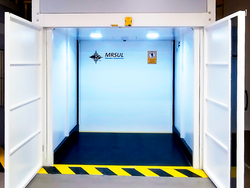
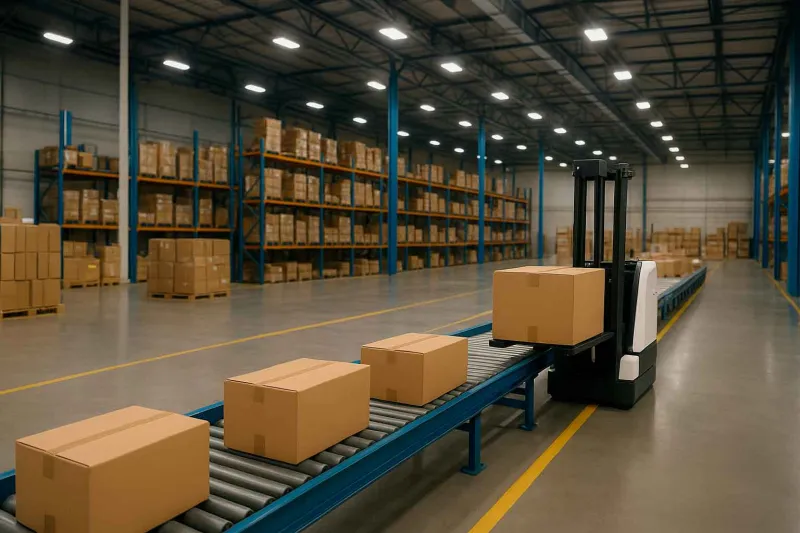
Grande parte dos atrasos e acidentes dentro das indústrias ocorre em atividades simples de transporte interno. Empurrar carrinhos, carregar caixas ou movimentar paletes manualmente gera desgaste físico e queda de produtividade ao longo do turno. Com equipamentos automatizados — como esteiras transportadoras, elevadores de carga e soluções com sensores e temporização automática — o operador deixa de ser força motriz e assume papel de controle e supervisão.
Resultado? Mais rendimento, menos afastamentos e equipes focadas em tarefas estratégicas.
2. Fluxo de produção contínuo e previsível
Quando o transporte de materiais depende exclusivamente de mão de obra humana, surgem gargalos naturais. A automação permite criar fluxos constantes e sincronizados, garantindo que o produto chegue exatamente no tempo certo para a próxima etapa da linha.
Imagine eliminar esperas entre setores e ter sua produção funcionando como um relógio. Esse é o poder da automação com integração inteligente.
3. Rastreabilidade e controle em tempo real
Com a digitalização dos sistemas de movimentação, é possível monitorar quantidade transportada, tempo de ciclo, desempenho por turno e até prever manutenção com antecedência. Dados que antes eram invisíveis passam a se transformar em decisões inteligentes.
4. Custo que se paga sozinho
Muitos gestores ainda veem a automação como gasto — quando na verdade ela é um investimento com retorno rápido e mensurável. Ao eliminar retrabalhos, reduzir perdas e diminuir horas improdutivas, o sistema se paga em poucos meses, dependendo do volume de operação.
O futuro da movimentação já começou. Sua indústria vai acompanhar?
Empresas que automatizam antes saem na frente. Quem demora, corre o risco de ficar preso em processos caros, lentos e perigosos. Se você quer aumentar produtividade, reduzir riscos e padronizar o fluxo de materiais, a automação da movimentação interna não é mais tendência — é necessidade.
A MRSUL desenvolve soluções sob medida para cada realidade industrial, integrando elevadores de carga, esteiras inteligentes e sistemas automatizados com total segurança e conformidade às normas.