



Automação Própria: O diferencial no controle do elevador de carga
Mais do que automatizar, é ter domínio total do processo.
Data: 06/Abril/2026
Tempo de leitura: 1 min
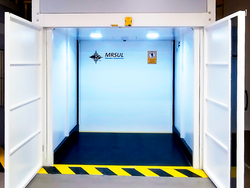
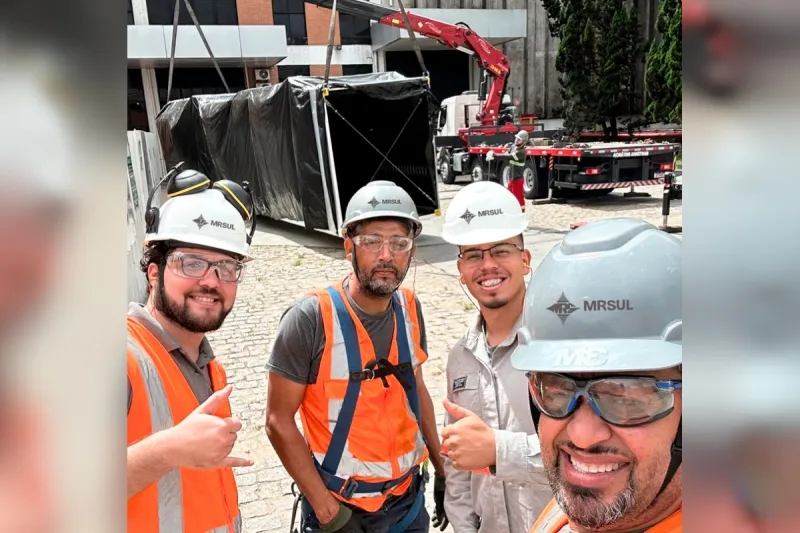
A MRSUL concluiu recentemente a instalação do Elevador Autoportante 2 ELC221 no sistema de escalonamento da unidade do Boticário, localizada em São José dos Pinhais (PR).
O projeto foi conduzido seguindo um processo estruturado, garantindo segurança, precisão técnica e integração eficiente com a operação existente.
A primeira etapa envolveu o planejamento e preparação da área de instalação, com análise das condições do local e definição dos pontos estruturais necessários para a montagem do equipamento. Por ser um modelo autoportante, o elevador conta com uma estrutura própria, permitindo instalação mais ágil e menor interferência na infraestrutura da planta.
Na sequência, foi realizada a montagem da estrutura metálica, incluindo colunas, plataformas e sistema de elevação. Essa fase exige alinhamento técnico rigoroso para garantir estabilidade, desempenho e durabilidade do equipamento durante a operação.
Com a estrutura posicionada, iniciou-se a instalação dos componentes mecânicos e do sistema de acionamento, responsáveis pelo transporte vertical das cargas. Paralelamente, foi executada a integração elétrica e de automação, com a instalação do painel de comando e conexão com o sistema operacional da linha de escalonamento.
A etapa final consistiu na realização de testes operacionais e validações de segurança, verificando o desempenho do equipamento em diferentes condições de carga, além de ajustes finos para assegurar máxima eficiência e confiabilidade.
Com a conclusão do projeto, o elevador passa a contribuir diretamente para a otimização do fluxo logístico interno, garantindo transporte vertical seguro, contínuo e alinhado às demandas da operação.
Esse projeto reforça o compromisso da MRSUL em desenvolver e implementar soluções industriais robustas, personalizadas e de alta performance para grandes operações logísticas e produtivas.