


Saiba como escolher os equipamentos industriais mais adequados para sua fábrica
Toda fábrica busca investir em equipamentos industriais para facilitar a operação de produtos e garantir maior produtividade.
Data: 25/Maio/2025
Tempo de leitura: 4 min
Explore o artigo:
Toda fábrica busca investir em equipamentos industriais para facilitar a operação de produtos e garantir maior produtividade.
Porém, existem alguns critérios importantes no momento de escolher os tipos de equipamentos industriais para atender aos requisitos operacionais na fábrica com eficiência.
No artigo de hoje vamos pontuar alguns equipamentos industriais que proporcionam um bom ganho operacional, como também o melhor jeito de selecionar os mais adequados para sua fábrica.
A importância dos equipamentos industriais
A aquisição de equipamentos industriais é uma premissa para fábricas que buscam maior agilidade e praticidade na confecção de seus produtos. Os equipamentos industriais possuem participação ativa desde o início da produção até o processo de estocagem e transporte do produto ao consumidor final.
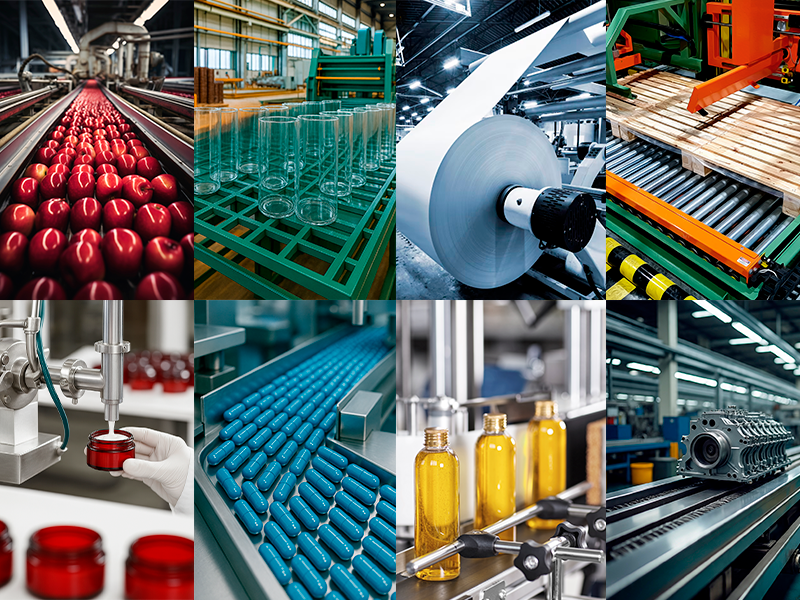
Atualmente, temos uma infinidade de equipamentos industriais disponíveis no mercado que atendem diversos tipos de segmento.
Investir em boas soluções de maquinário para indústrias traz diversos benefícios à operação, como:
- Aumento da produtividade.Otimização dos processos de produção.Redução de custo com mão de obra.Maior segurança para colaboradores no que tange ergonomia.Maior praticidade no despacho do produto para cliente final, dentre outros.
Estes e muitos outros benefícios que uma fábrica que conta com equipamentos industriais possui, geram ao mesmo tempo economia operacional e aumento da lucratividade.
Mas é importante lembrar que cada tipo de operação exige um tipo específico de equipamento. Uma das vantagens de muitos tipos de maquinário industrial é poder ser personalizado para se adequar às demandas exigidas pela empresa.
Mesmo com essa facilidade, é muito importante elaborar um projeto para definir quais os tipos de equipamentos industriais são mais adequados aos diversos processos operacionais que compõem uma logística de produção. E é sobre esse planejamento que falaremos a partir do próximo parágrafo.
Como selecionar os equipamentos industriais ideais para a operação?
Com a variedade de equipamentos industriais disponíveis no mercado, juntamente com as necessidades de se otimizar os processos operacionais, é muito comum a dúvida de qual maquinário adquirir.
Muitas empresas acabam cometendo o erro de adquirir equipamentos industriais que não são adequados ao tipo de operação da fábrica, acarretando prejuízos.
Antes de realizar a compra de equipamentos industriais é muito importante focar em um planejamento detalhado, não só com as necessidades atuais para agilizar a produção, como também uma previsão futura de como será a operação otimizada.
Mapeamento de processos operacionais
Mapear os processos de operação e determinar um fluxo de atividades é importante para definir os tipos de equipamentos industriais necessários para cada ponto da operação, considerando o ganho de tempo desejado.
Esse mapeamento também é importante para integrar equipamentos no fluxo operacional, como esteiras transportadoras e elevadores de carga, máquinas envolvedoras e empilhadeiras nos processos de empacotamento, dentre outros.
Ter a definição dos processos operacionais permite manter uma rotina operacional muito mais ágil e eficiente.
Estrutura física
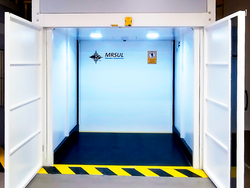
Avaliar a atual situação da estrutura física também é determinante para receber o equipamento industrial adequado. Elevadores contínuos, por exemplo, são equipamentos de alta praticidade para a movimentação de carga e ocupam pouco espaço dentre o ambiente de produção.
No caso das esteiras transportadoras para alguns espaços pode ser interessante utilizar esteiras curvas, que são adaptáveis a diversos tipos de ambientes.
A definição da estrutura física também é importante para os casos de aquisição de equipamentos industriais personalizados, fabricados conforme as necessidades e o espaço de trabalho.
Planejamento financeiro
Além do planejamento técnico, é necessário ter uma previsão financeira para a aquisição do equipamento e o retorno do investimento. Essa ação é fundamental para ter uma noção do custo-benefício que o equipamento trará à operação.
Durante a cotação de equipamentos industriais também é necessário analisar a qualidade e o valor do equipamento, o prazo de entrega para iniciar a nova produção e valores de impostos que podem estar embutidos no valor do equipamento.
Ter essa informação permite o cálculo do retorno sobre o investimento de maneira muito mais assertiva.
Qualidade dos equipamentos industriais
Esse é um ponto de grande atenção antes de realizar a aquisição de equipamentos industriais. Além do preço, é imprescindível avaliar o que cada fornecedor oferece, suas referências de mercado e a qualidade dos equipamentos fabricados.
É importante lembrar que todo equipamento industrial deve ser fabricado conforme as normas exigidas pelo Ministério do Trabalho. Portanto, esse é um dos fatores primordiais que o fornecedor deve garantir, até mesmo para assegurar o funcionamento da operação.
A qualidade dos equipamentos industriais também precisa ser analisada com cuidado. Dentro da qualidade, podemos considerar a ergonomia e qualidade funcional.
No que tange ergonomia, é muito importante para uma operação que todos os colaboradores trabalhem de maneira confortável e sem riscos de acidentes.
Já na qualidade funcional, o equipamento selecionado deve executar todas as funcionalidades propostas com precisão, segurança e baixo custo de manutenção. Afinal, o mau funcionamento de equipamentos industriais influencia diretamente na qualidade do produto .
Além das atividades técnicas e financeiras, é necessário também ter uma previsão do cenário operacional após a aquisição dos equipamentos industriais.
Apesar de haver ganho operacional e economia, outros fatores precisam ser considerados, como:
- Investimento em treinamentos de pessoal;Manutenção preventiva e corretiva de equipamentos industriais;Avaliação criteriosa da produtividade;Fornecimento de EPIs para funcionários, que podem ser requeridos para o funcionamento de alguns equipamentos industriais;Medidas de segurança no ambiente para a operação de equipamentos industriais;Adaptação de estrutura física para trabalhar com equipamentos industriais, dentre outros;
É preciso ter em mente que tanto o processo operacional como a cultura dos colaboradores e ambiente sofrerão mudanças com a chegada de equipamentos industriais. Bem como a previsão orçamentária que precisa contemplar os custos de manutenção.
Em contrapartida, é possível realizar uma previsão bastante positiva na otimização operacional de uma fábrica com a implantação de equipamentos industriais.
Os benefícios são inúmeros, não só para a produtividade, como também para o capital humano, que terá processos de trabalho mais facilitados.
Os melhores equipamentos industriais para sua fábrica
Nós, da MRSUL, somos uma empresa que conta com mais de 30 anos do segmento, fornecendo uma linha de equipamentos industriais de alta performance e fabricada de acordo com as normas exigidas.
Com a gente você pode adquirir equipamentos industriais para sua fábrica com garantia de qualidade e procedência e ainda de forma facilitada através do BNDES.
Venha conhecer a MRSUL e garanta equipamentos industriais de alto padrão para sua fábrica.
Esse conteúdo te ajudou? Compartilhe nas suas redes sociais e acompanhe nosso blog para mais novidades.
Até a próxima!
Saiba como escolher os equipamentos industriais mais adequados para sua fábrica...📲