


Estratégias para melhorar o fluxo de produção da sua indústria
Estratégias produção na indústria
Data: 10/Setembro/2025
Tempo de leitura: 3 min
Explore o artigo:
O fluxo de produção é importante para a indústria, para beneficiar pois beneficia todos os processos operacionais.
Em primeiro lugar, ele determina o ritmo da produção e, consequentemente, o nível de produtividade. Além disso, afeta diretamente os custos dos produtos, portanto, a competitividade da empresa no mercado.
Por fim, o controle do fluxo de produção assegura a qualidade dos produtos e evita desperdícios.
Apesar do fluxo de produção ser um processo importante, muitas indústrias enfrentam diversos desafios com sua implantação devido às grandes quantidades de produtos e materiais que precisam ser manipulados e à complexidade das operações envolvidas.
Uma das principais preocupações é garantir a qualidade dos produtos e evitar atrasos ou falhas na entrega.
Outro desafio é otimizar o uso dos recursos disponíveis, a fim de reduzir custos e melhorar a eficiência.
As indústrias também precisam estar atentas às tendências do mercado e se adaptar rapidamente para atender às demandas dos clientes.
Para facilitar a implantação ou mudança do fluxo de produção da sua indústria, existem estratégias eficientes que vão garantir todos os benefícios que esse processo oferece. Confira!
Estratégias para melhorar o fluxo de produção na sua indústriaComo vimos, otimizar o fluxo de produção de uma indústria é essencial para que ela aumente sua eficiência, produtividade e competitividade. Existem diversos métodos para garantir que esse fluxo seja melhorado e atenda a todas as necessidades da operação.
Avaliar o ano anterior e estabelecer metas para o novo ano, essa estratégia consiste em realizar uma avaliação de todo o fluxo de produção aplicado no ano anterior, identificando os pontos falhos e aqueles que podem ser melhorados.
Com esse mapeamento, é possível estabelecer novas metas para o ano que inicia, já visando maior produtividade e redução de custos.
Revise os processos da sua indústria e identifique gargalosDurante a atividade anterior, é fundamental identificar todos os gargalos que podem impactar a produção. Isso envolve desde a dispensação de matéria-prima, métodos de processos para evitar desperdícios, alocação de pessoal e até integração de equipamentos, como, por exemplo, esteiras transportadoras integradas com elevadores de carga.
A identificação desses gargalos vai assegurar a melhoria de processos, possibilitando uma operação bem mais produtiva.
Vale ressaltar que nessa revisão, é importante contar com a participação dos colaboradores envolvidos, já que eles possuem informações e ideias valiosas para melhorar o fluxo de produção da sua indústria.
Implementar soluções tecnológicas inovadoras
A tecnologia é uma grande facilitadora do fluxo de produção. Com a automação industrial, é possível obter processos produtivos mais ágeis e com maior qualidade. Para tanto, investir em novas tecnologias vai permitir uma melhora considerável de todos os processos de produção, além de garantir uso consciente de matéria-prima e recursos como energia elétrica.
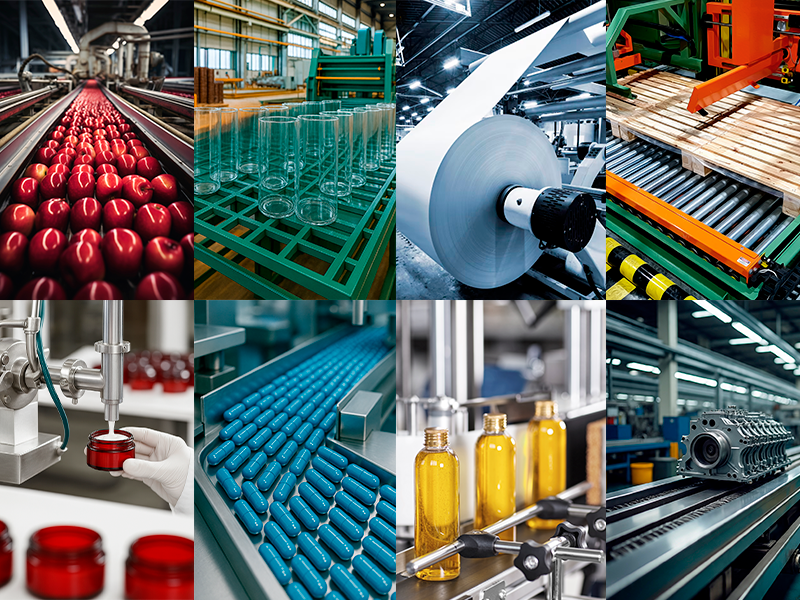
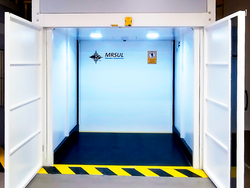
Um bom exemplo dessas tecnologias para facilitar o fluxo de produção são os elevadores de carga, esteiras transportadoras e strechadeiras, soluções fornecidas pela Mrsul. O uso de esteiras transportadoras garante maior agilidade na produção, abrangendo desde a dispensação de matérias-primas até a entrega do produto final para a logística. Já os elevadores de carga são essenciais para garantir segurança e agilidade no transporte vertical de cargas. Com eles, é possível garantir maior integridade da mercadoria e colaboradores, além do ganho de tempo com transporte de volumes. As strechadeiras são soluções essenciais para otimizar os processos logísticos, garantindo organização e segurança, bem como a redução de mão de obra. Vale lembrar que quando nos referimos à redução de pessoal com o uso de tecnologias, não significa que os colaboradores serão substituídos por máquinas.
Na verdade, eles deixarão de realizar atividades mais complexas e estafantes para se dedicarem a tarefas mais estratégicas, garantindo uma alocação de pessoal mais eficiente.
Durante a atividade anterior, é fundamental identificar todos os gargalos que podem impactar a produção. Isso envolve desde a dispensação de matéria-prima, métodos de processos para evitar desperdícios, alocação de pessoal e até integração de equipamentos, como, por exemplo, esteiras transportadoras integradas com elevadores de carga.
A identificação desses gargalos vai assegurar a melhoria de processos, possibilitando uma operação bem mais produtiva.
Vale ressaltar que nessa revisão, é importante contar com a participação dos colaboradores envolvidos, já que eles possuem informações e ideias valiosas para melhorar o fluxo de produção da sua indústria.
A capacitação de colaboradores é essencial para garantir um fluxo de produção mais eficiente na sua empresa, colaboradores que se sentem valorizados e recebem capacitações frequentes tendem a trabalhar com maior motivação.
O resultado são grandes parceiros no momento de melhorar.