


Conheça os tipos de elevadores industriais e saiba como cada um pode auxiliar em sua empresa
Os elevadores industriais são ferramentas indispensáveis para muitas empresas, principalmente aquelas que lidam com cargas pesadas e/ou grandes volumes.
Data: 06/Junho/2025
Tempo de leitura: 3 min
Explore o artigo:
- 1.A importância dos elevadores industriais
- 2.Classificação dos elevadores industriais
- 3.Tipos de elevadores industriais
- 3.1.Elevadores contínuos ou monta-cargas
- 3.2.Elevadores de carga
- 4.O que considerar antes de adquirir elevadores industriais?
- 5.Adquira elevadores industriais para sua empresa com a MRSul
Os elevadores industriais são ferramentas indispensáveis para muitas empresas, principalmente aquelas que lidam com cargas pesadas e/ou grandes volumes.
Eles podem ser utilizados para transportar materiais, equipamentos e até pessoas, sendo extremamente úteis em diversos setores da indústria.
Existem diversos tipos de elevadores industriais, cada um com suas características e vantagens. Conhecer os principais tipos de elevadores é importante para escolher o modelo ideal para a sua empresa.
Neste artigo, você vai conhecer os principais tipos de elevadores industriais e entender como cada um deles pode auxiliar no dia a dia da sua empresa. Desejamos a você uma ótima leitura!
A importância dos elevadores industriais
O transporte vertical de cargas é uma das principais atividades em qualquer tipo de indústria.
A movimentação de materiais pesados e volumosos pode ser facilitada com o uso de elevadores, que são equipamentos indispensáveis para garantir a produtividade e a segurança nas operações.
O uso de elevadores industriais gera diversos benefícios operacionais como:
- Melhoria de processos:
Com um elevador industrial, todos os processos podem ser executados de maneira otimizada e com mais eficiência. Esse tipo de equipamento pode trabalhar integrado com outros tipos de maquinário.
Isso significa melhor aproveitamento do esforço humano e maior produtividade na indústria.
- Maior aproveitamento da mão de obra humana:
Os elevadores industriais são verdadeiros facilitadores no transporte de carga.
Assim, seu uso garante melhor aproveitamento da mão de obra humana no que tange à movimentação e transporte de cargas e ergonomia.
- Segurança do ambiente de trabalho:
Uma das grandes vantagens dos elevadores industriais é a questão da segurança.
A movimentação de carga, especialmente as mais pesadas, é uma atividade passível de acidentes, que podem comprometer a integridade de colaboradores e da própria mercadoria.
Além disso, o uso de elevadores de carga diminui a incidência de doenças laborais, resultando em maior segurança para o colaborador e menos licenças médicas ou indenizações trabalhistas.
- Cumprimento de prazos:
Ao optar pelo uso de elevadores de carga, a operação está apta para cumprir todos os prazos de entrega.
Isso acontece por causa da otimização que ela ganha na movimentação de carga, especialmente para os processos logísticos.
Continue sua leitura e conheça como os elevadores industriais podem ser classificados.
Classificação dos elevadores industriais
Independente do modelo e funcionalidades, os elevadores de carga são divididos em três classes, que são definidas pelo tipo de carga que os equipamentos possuem capacidade de transportar.
Essas três classes são:
Classe A: destinados à carga comum e podem receber a carga de forma manual ou com o uso de empilhadeiras manuais.
Classe B: indicados para carga automotiva, podendo transportar veículos utilitários e automóveis.
Classe C: é aplicado para carregamento a partir de empilhadeira motorizada ou carregamentos de grandes volumes.
Agora que você já conhece as classes dos elevadores de carga, veja a seguir os principais tipos.
Tipos de elevadores industriais
Os elevadores industriais apresentam estruturas robustas, justamente para suportar o transporte de cargas.
Os tipos podem variar desde elevadores para cargas menores até soluções que suportam mais de 5.000 quilos. Veja a seguir os principais tipos de elevadores industriais.
Elevadores contínuos ou monta-cargas
São equipamentos destinados ao transporte de mercadorias como fardos, caixas e demais cargas menores.
Os elevadores industriais contínuos são ideais para operações que precisam otimizar seu espaço de produção e podem ser integrados com esteiras transportadoras aéreas e outros tipos de equipamentos.
Esse tipo de elevador industrial pode ser desenvolvido de forma personalizada, com suporte para transportar cargas que podem variar de 500 kg até 50.000 kg.
Elevadores de carga
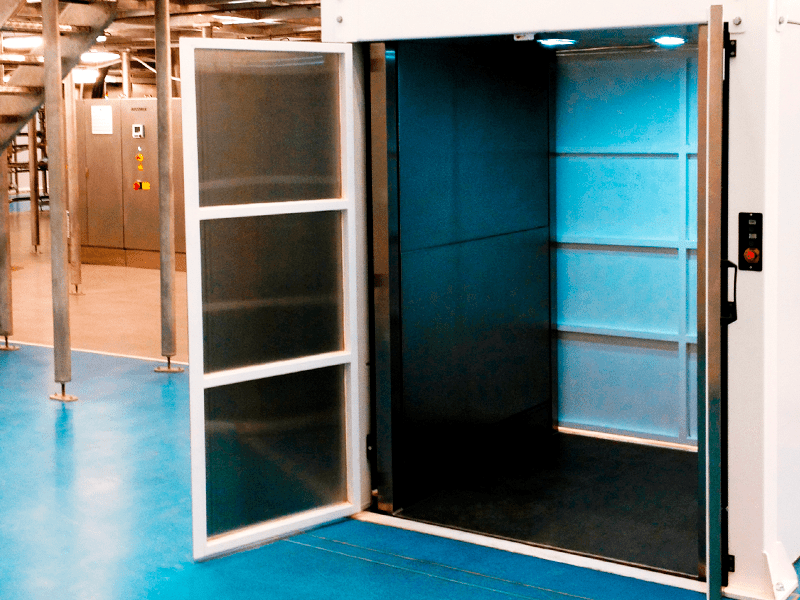
Os elevadores de carga são utilizados para o transporte de cargas mais pesadas, incluindo o transporte de pessoas.
Eles podem ser desenvolvidos para trabalhar de maneira elétrica ou hidráulica, além de serem paletizados ou não.
Além de poderem ser fabricados de maneira personalizada, os elevadores de carga possuem capacidade para transportar até 5.000 kg, como é o caso de elevadores destinados ao transporte de maquinário e automóveis.
O que considerar antes de adquirir elevadores industriais?
Como vimos, os elevadores industriais são equipamentos indispensáveis para otimizar o transporte de cargas, seja em processos produtivos ou logísticos.
No entanto, antes de adquirir elevadores industriais, é fundamental observar algumas características como:
- Robustez:
Os elevadores industriais precisam apresentar estruturas robustas e resistentes, já que além do transporte de cargas pesadas, ele irá trabalhar por muitas horas diárias.
- Flexibilidade:
O ideal é que os elevadores industriais estejam preparados para transportar todo tipo de carga, desde pequenos volumes à movimentação de máquinas e automóveis.
- Adaptação ao espaço e carga:
Os elevadores industriais precisam ser desenvolvidos para se adequar ao espaço físico da operação e também ao tipo de carga que será movimentada. Isso é essencial para garantir a segurança do processo.
Ao observar que sua indústria necessita de um elevador industrial, é importante buscar uma empresa especializada para desenvolver o projeto ideal de acordo com sua necessidade operacional.
Nessa questão, veja como a MRSul pode te ajudar a escolher elevadores industriais para sua empresa.
Adquira elevadores industriais para sua empresa com a MRSul
Contando com ampla experiência de mercado, nós da MRSul oferecemos elevadores industriais desenvolvidos especialmente para as necessidades operacionais de sua empresa.
Todos os equipamentos MRSul são desenvolvidos com altos padrões de qualidade e de acordo com as normas de segurança exigidas, especialmente a NR-12.
Fale agora mesmo com alguém da nossa equipe MRSul e garanta elevadores industriais inovadores para sua operação.
O que achou deste conteúdo? Compartilhe nas suas redes sociais e continue acompanhando nosso blog para mais notícias.
Até a próxima!
Conheça os tipos de elevadores industriais e saiba como cada um pode auxiliar em sua empresa...📲